
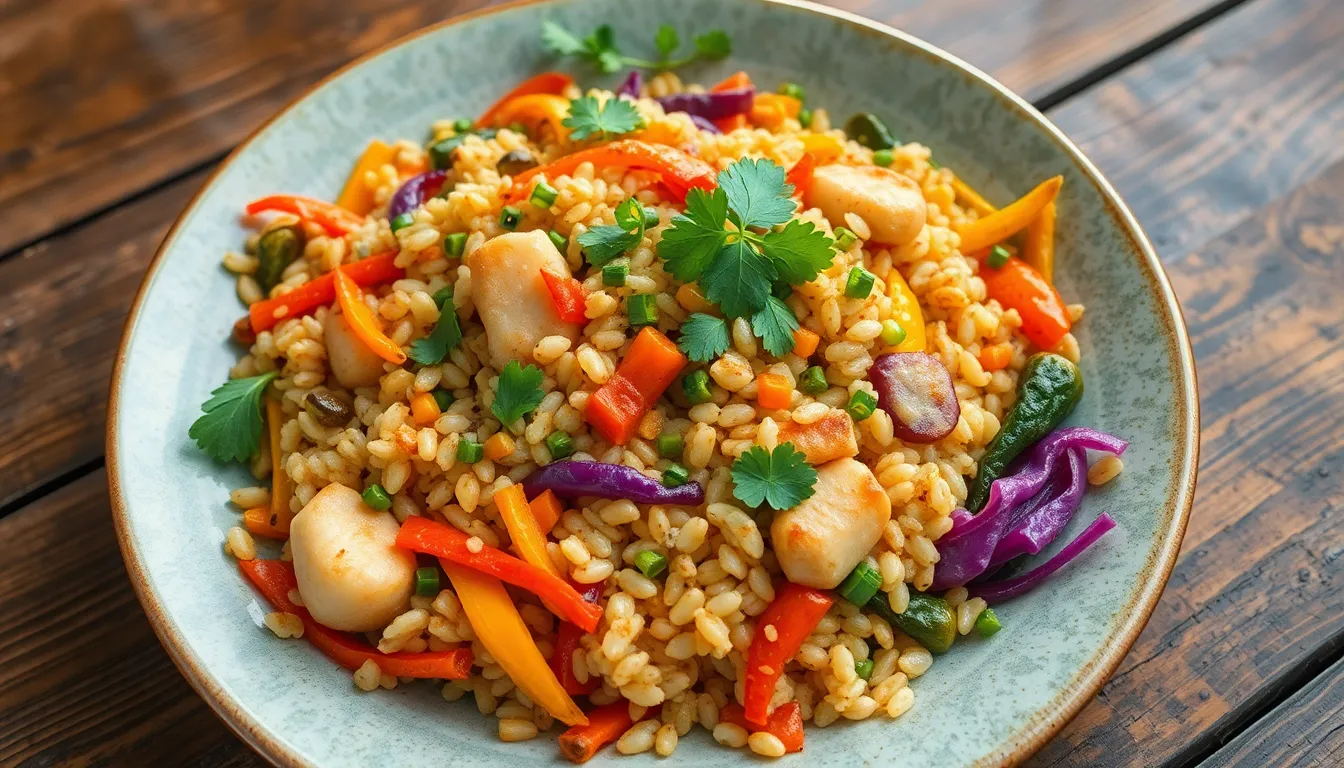

Yumkugu might sound like a fun new dance move, but for many, it’s a culinary puzzle that leaves stomachs in a twist. As the latest food trend making waves, it’s time to uncover whether this exotic dish is a delightful treat or a digestive disaster.
Overview of Yumkugu
Yumkugu, an emerging food trend, consists of unique ingredients that create a distinct flavor profile. This dish attracts attention for its unusual components, often unfamiliar to many diners. Reports indicate that its texture varies greatly, adding to the curiosity surrounding its consumption. Nutritionally, yumkugu offers various benefits, including vitamins and minerals, contributing to its growing popularity.
Those exploring yumkugu often note its preparation methods, which can significantly influence overall digestion. Some individuals may find certain ingredients easier to digest than others, depending on their culinary backgrounds. Various preparation techniques, such as steaming or marinating, can enhance digestibility while preserving flavor.
Research into its digestive characteristics shows mixed responses among different individuals. While many enjoy yumkugu without issue, others experience stomach discomfort. Factors like food sensitivities, portion sizes, and accompanying dishes can also affect digestion.
Taste preferences play a role in overall enjoyment, which can complicate perceptions of yumkugu’s digestibility. Feedback from diners highlights that a gradual introduction to these flavors often leads to a more enjoyable experience. Ultimately, each eater’s reaction serves as an essential indicator of how well yumkugu sits within their digestive systems.
Understanding yumkugu’s composition can help manage expectations, leading to informed dining experiences. As curiosity continues to grow, ongoing exploration of this dish may uncover more insights about its nutritional value and effects on digestion.
Nutritional Composition


Yumkugu features a blend of unique ingredients known for their diverse nutritional profiles. This complexity contributes to its potential effects on digestion.
Key Ingredients
Yumkugu contains ingredients like vegetables, grains, and proteins. These components provide essential nutrients and dietary fiber. Vegetables, such as spinach or kale, offer vitamins A and C. Grains contribute carbohydrates, providing energy and aiding digestion. Proteins from sources like legumes or meats enhance the dish’s nutritional value. Every ingredient plays a role in determining overall digestibility, as combinations can vary.
Health Benefits
Yumkugu’s composition yields various health benefits. High fiber content promotes gastrointestinal health, reducing the likelihood of constipation. Rich vitamins strengthen the immune system, enhancing overall wellness. Antioxidants present in the dish combat oxidative stress, potentially lowering disease risk. Maintaining a balanced diet incorporating yumkugu can support weight management and keep energy levels stable. Overall, this dish can play a significant part in a nutritious eating plan.
Digestive Process of Yumkugu
Yumkugu’s digestibility hinges on its unique ingredients and preparation methods. Understanding how these factors influence the digestive process helps diners anticipate their experiences.
Enzymatic Breakdown
Digestion of yumkugu begins in the mouth, where enzymes from saliva start breaking down carbohydrates. The process continues in the stomach, where gastric juices further aid in digestion. Proteins require specific enzymes for effective breakdown. As yumkugu contains proteins from both legumes and meats, exposure to these enzymes ensures optimal digestion. The small intestine absorbs the resulting nutrients into the bloodstream, providing essential vitamins and minerals. Each ingredient in yumkugu, from grains to vegetables, contributes to a varied enzymatic reaction. A balanced mix enhances the body’s ability to process the dish efficiently, allowing maximum nutrient absorption.
Effect on Gut Health
Yumkugu promotes gut health through its high fiber content. Fiber encourages regular bowel movements, supporting overall digestive function. Vegetables in yumkugu, such as leafy greens, add bulk to the diet, facilitating smoother digestion. Furthermore, the dish contains prebiotics that nourish beneficial gut bacteria. A healthy microbiome contributes to improved digestion and nutrient uptake. Overall, incorporating yumkugu introduces diverse nutrients that may promote a balanced gut environment. Flavors may still diverge based on individual tolerances, but most fibers support digestive health through their essential roles.
Factors Affecting Digestion
Several factors influence the digestion of yumkugu, including individual tolerance and preparation methods. Understanding these elements helps diners make informed choices about their experience with this unique dish.
Individual Tolerance
Individual tolerance plays a significant role in how well a person digests yumkugu. Each person’s digestive system varies, with some individuals exhibiting sensitivities to specific ingredients. For instance, those who are sensitive to legumes may experience discomfort when consuming protein sources found in yumkugu. Additionally, pre-existing gastrointestinal conditions can also affect how one processes this dish. Different reactions may emerge depending on past experiences with similar foods, as gradual exposure can lead to improved tolerance over time. Awareness of personal dietary preferences and restrictions enhances the overall enjoyment of yumkugu.
Preparation Methods
Preparation methods significantly impact the digestibility of yumkugu. Techniques such as steaming and marinating enhance flavors while making the dish easier to digest. For example, steaming vegetables retains their nutrients, which can aid in better nutrient absorption during digestion. Marinating ingredients can also break down tougher fibers, promoting a more palatable experience. Furthermore, slow cooking methods allow for the gradual infusion of flavors, improving taste and digestibility. Attention to these culinary techniques can lead to a more enjoyable dining experience with yumkugu, emphasizing the importance of how the dish is prepared.